The Power of Purpose (Teaching Outline)
Main Idea:
A sermon without a clear purpose is ineffective, even if it is biblical or well prepared.
I. The Problem of Preaching Without Purpose
A. Common wrong reasons for preaching
- “It’s Sunday, so I must speak.”
- “This is the next passage in order (e.g., Genesis 22 after Genesis 21).”
- “I just want to challenge the people.”
B. Result of unclear purpose
- Sermons become unfocused and scattered
- Like a “dropped lemon meringue pie” → messy, no clear impact
- Many ideas, but no transformation
C. Key warning
- Even a biblical sermon is useless without purpose
II. The Danger of Truth Without Purpose
A. Doctrine alone is not enough
- Teaching Bible facts without application is empty
- Knowledge without obedience produces no change
B. Biblical truths alone do not transform
- Knowing creation (Genesis 1) does not make a person better
- Even demons “know” truth (e.g., Satan knows Scripture realities)
- Knowing John 3:16 does not save unless responded to
C. Core principle
“The purpose behind all doctrine is to secure moral action.”
III. What a Sermon Purpose Really Is
A. Definition of purpose
- The expected change in the hearer’s life after the sermon
B. Purpose vs Idea
| Sermon Idea | Sermon Purpose |
|---|---|
| States the truth | States the result of the truth |
| What is said | What should happen |
| Information | Transformation |
C. Illustrations
- Arrow vs target → purpose is the target
- Map vs journey → purpose is the destination
- Recipe vs baking → purpose is the finished pie
IV. Why Purpose Is Essential
A. Like a sports team
- Hockey team goal is not skating or passing
- The goal is to outscore the opponent
- Without goal → activity becomes meaningless
B. Like a hunter
- A sermon is not fireworks (noise only)
- It is a rifle shot aimed at a target
- Success = seeing “game fall” (real-life change)
V. The Task of the Preacher (Stage 6)
Determine the Purpose of the Sermon
A. What the preacher must ask:
- What change do I want in the hearer?
- What should they believe, feel, or do differently?
- What specific action should result?
B. Purpose focuses the sermon
- Gives direction to preaching
- Guides illustrations, applications, and tone
- Prevents vagueness and scattered preaching
VI. The Serious Responsibility of Purpose
A. Preaching is not performance
- Not entertainment
- Not religious speech
- Not “filling time on Sunday”
B. Preaching must aim at transformation
- Change thinking
- Change behavior
- Change spiritual direction
VII. Key Quotes to Emphasize
Henry Ward Beecher:
“A sermon is not like a Chinese firecracker… it is a hunter’s gun.”
Core teaching summary:
- No purpose → no impact
- Clear purpose → powerful preaching
VIII. Teaching Summary (One Sentence)
A sermon must have a clear, defined purpose that determines the specific change God intends in the hearers’ lives; without it, even biblical preaching becomes unfocused and ineffective.
=====
Continuation Outline: Writing Measurable Sermon Purposes
I. Examples of Clear, Measurable Sermon Purposes
A. Understanding God’s Love
- The congregation should:
- Understand how God loves them
- Be able to explain at least one specific way that love provides security
Key focus:
- Not just “know God loves you”
- But be able to explain and apply it personally
B. Evangelism and Personal Witness
- Christians should:
- Explain what a person must believe to become a Christian
- Plan to speak to at least one non-believer about the Lord within the week
Key focus:
- Truth → understanding → action → obedience in mission
C. Commitment to Bible Study
- Listeners should:
- Be convinced of the necessity of Bible study
- Enroll in one structured learning opportunity:
- Church Bible class
- Home Bible study
- Bible correspondence course
Key focus:
- Conviction is measured by commitment and enrollment
II. Why Measurable Purposes Matter
A. They force clarity in preaching
- The preacher must think carefully:
- What should actually change in the listener?
B. They shape application
- Moves sermon from:
- abstract ideas → concrete life direction
C. They define success
- If nothing changes, the sermon has not succeeded
III. Core Principle of Effectiveness
“If a sermon accomplishes anything, it must accomplish something.”
A. Implication
- Preaching must aim at real transformation:
- belief change
- attitude change
- behavior change
IV. The Sermon as a “Speech with a Motion”
A. David Smith’s insight
- A sermon is:
“a speech concluded with a motion”
B. Meaning of the illustration
- Like a formal meeting:
- Discussion is not enough
- A decision (“motion”) must follow
C. Application to preaching
- Every sermon should end with:
- a decision to make
- an action to take
- a response to give
V. Purpose Shapes the Entire Sermon
A. Beginning with the end in mind
- Knowing the purpose first:
- clarifies direction
- focuses interpretation
- sharpens application
B. Benefits for the preacher
- More efficient preparation
- More unified sermon structure
- More powerful conclusion
VI. Key Teaching Insight
“We concentrate our thought with greater efficiency if we know as we begin what we intend to accomplish.”
A. Preaching implication:
- Purpose is not the final step only
- Purpose guides the entire sermon-building process
VII. Summary Principle
A sermon becomes powerful and effective when its purpose is stated in clear, measurable terms that define exactly what the hearers should believe, feel, or do differently as a result of hearing God’s Word.
If you want, I can next:
- Turn Chapter 5 into a full sermon preparation checklist (Stage 1–6 integrated)
- Or create a fillable template for writing sermon purpose statements
- Or give examples from specific Bible passages (John, Romans, Psalms, etc.)
Put it altogether
Here is the full combined teaching outline of Chapter 5: The Power of Purpose (Stage 6), organized as one complete lesson for preaching or classroom use.
CHAPTER 5: THE POWER OF PURPOSE (STAGE 6)
Complete Teaching Outline
I. The Necessity of Purpose in Preaching
A. The basic question
- Why are you preaching this sermon?
B. Inadequate answers
- “It’s Sunday, so I must speak.”
- “It’s the next passage in order.”
- “I want to challenge the people.”
C. Result of unclear purpose
- Sermons become unfocused and ineffective
- Like a “dropped lemon meringue pie”—messy and scattered
- Many words, but little transformation
D. Core truth
No matter how biblical or brilliant, a sermon without purpose is not worth preaching.
II. Truth Without Purpose Is Empty
A. Doctrine alone is not enough
- Knowledge without obedience is useless
- Truth must lead to life change
B. Biblical warning
- Knowing facts about God does not transform a person
- Even demons “know” theological truth
C. Core principle
The purpose of all doctrine is to secure moral action.
III. What Sermon Purpose Really Is
A. Definition
- The purpose states what should happen in the hearer as a result of the sermon
B. Sermon idea vs sermon purpose
- Idea = what the truth is
- Purpose = what the truth should produce
C. Illustration
- Arrow vs target
- Map vs destination
- Recipe vs finished meal
IV. Illustrations of Purpose in Life
A. Sports example
- Hockey is not about skating or passing
- The goal is to outscore the opponent
- Without a goal, activity is meaningless
B. Hunting example
- A sermon is not fireworks (noise only)
- It is a rifle shot aimed at a target
- Success is seeing real-life impact
V. Stage 6: Determining the Sermon Purpose
A. Central task
- Determine what change God intends through the sermon
B. Key question
- What should the hearers believe, do, or become?
VI. Finding Purpose from the Biblical Text
A. Purpose is discovered, not invented
- Ask:
- Why did the author write this?
- What response was expected?
B. Biblical writers always had purpose
- No writer gave “neutral remarks”
C. Biblical examples of purpose
1. 1 Timothy 3:15
- Purpose: guide behavior in God’s household
2. Jude 3
- Purpose: contend for the faith
3. John 20:31
- Purpose: produce belief in Jesus Christ and life in His name
D. Conclusion
- Every passage in Scripture was written to produce change
VII. Scripture Defines Ministry Purpose
A. 2 Timothy 3:16–17
Scripture equips believers for:
- Teaching (truth)
- Reproof (error exposed)
- Correction (restoration)
- Training in righteousness (right living)
B. Result
- Believers become equipped for every good work
VIII. Translating Purpose into Life Outcomes
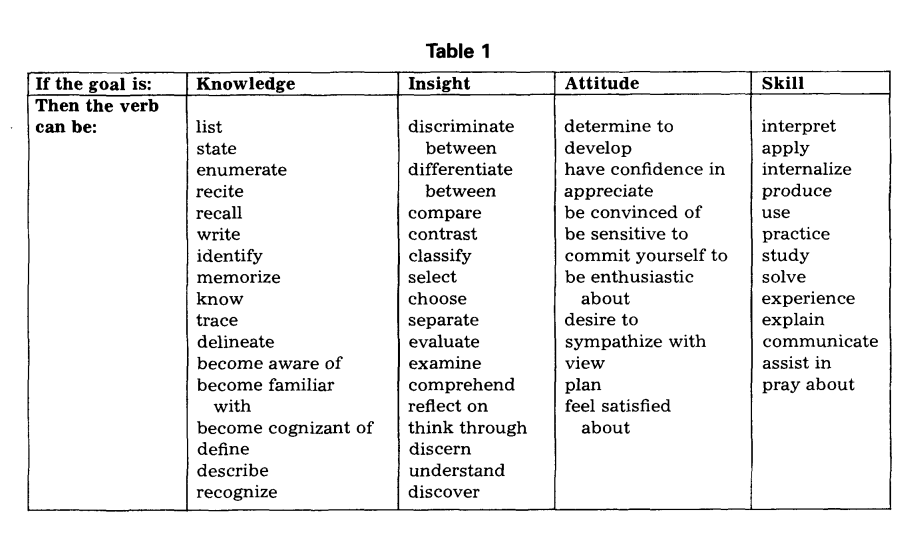
A. A sermon purpose must be measurable
- Not vague ideas
- But observable results
B. Examples of measurable purposes
1. Understanding God’s love
- Hearers understand God’s love
- Can explain at least one way it provides security
2. Evangelism
- Christians can explain the gospel
- Will speak to at least one person about Christ this week
3. Bible study commitment
- Listeners become convinced of Bible study importance
- Enroll in a Bible class or study program
C. Key principle
If a sermon accomplishes anything, it must accomplish something.
IX. Why Measurable Purpose Is Essential
A. Forces clarity
- Preacher must define expected change
B. Improves application
- Moves from abstract truth → concrete life action
C. Defines success
- If no change happens, purpose was not achieved
X. The Sermon as a “Speech with a Motion”
A. David Smith’s definition
“A sermon is a speech concluded with a motion.”
B. Meaning
- A sermon must end with a decision or action
C. Application
- Every sermon should lead to:
- a decision
- a commitment
- a response
XI. The Power of Beginning with Purpose
A. Purpose shapes preparation
- Clarifies direction
- Guides interpretation
- Focuses application
B. Principle
We concentrate our thought more effectively when we know the goal from the beginning.
XII. Final Summary
A biblical sermon must have a clear, text-driven purpose that defines the specific change God intends in the hearers’ lives. This purpose must be stated in measurable terms so that preaching moves beyond information and results in transformation—belief, attitude, and behavior change consistent with Scripture.