

By Pastor Edwin Jardinel (4-21-25)
The Biblical Foundation for Evangelism
The Biblical foundation for evangelism is deeply rooted in the Great Commission, where Jesus commands His church to go forth and make disciples of all nations. This mandate, found in Matthew 28:19-20, emphasizes the importance of sharing the Gospel message, baptizing believers, and teaching them the truth. The call to evangelism is not merely a suggestion; it is a directive that underscores the role of the Lord’s church in spreading the good news of salvation. As members, we need to understand that the church is entrusted with the responsibility of communicating the Gospel’s transformative power to others, making evangelism an essential aspect of the Christian faith and practice.

Scripture provides numerous examples of evangelistic efforts, illustrating various methods of sharing the Gospel. The early church, as depicted in the Book of Acts, serves as a model for modern evangelism. The apostles boldly proclaimed the message of Jesus, often in challenging circumstances, demonstrating that evangelism transcends cultural and societal barriers. Their reliance on the Holy Spirit for guidance and empowerment is a critical aspect that modern Christians should emulate, reminding them that effective evangelism is rooted in prayer and dependence on God.
And now, Lord, behold their threatenings: and grant unto thy servants, that with all boldness they may speak thy word, By stretching forth thine hand to heal; and that signs and wonders may be done by the name of thy holy child Jesus. And when they had prayed, the place was shaken where they were assembled together; and they were all filled with the Holy Ghost, and they spake the word of God with boldness. (Acts 4:29-31)
Personal testimony plays a vital role in evangelism, as it allows individuals to share their unique experiences of faith and transformation. The Apostle Paul frequently shared his personal encounter with Christ to illustrate the power of God’s grace in his life. Believers today can harness the power of their testimonies to connect with others on a personal level. By articulating their journeys of faith, Christians can effectively communicate the reality of salvation and demonstrate how it can impact the lives of those around them.

In the current digital age, social media platforms offer innovative avenues for evangelistic outreach. Christians can utilize these platforms not only to share biblical truths but also to engage in meaningful conversations about faith. By creating content that resonates with various audiences, believers can reach individuals who do not attend church. Additionally, community outreach programs can complement online efforts, providing tangible expressions of faith through service and relational engagement within local neighborhoods.
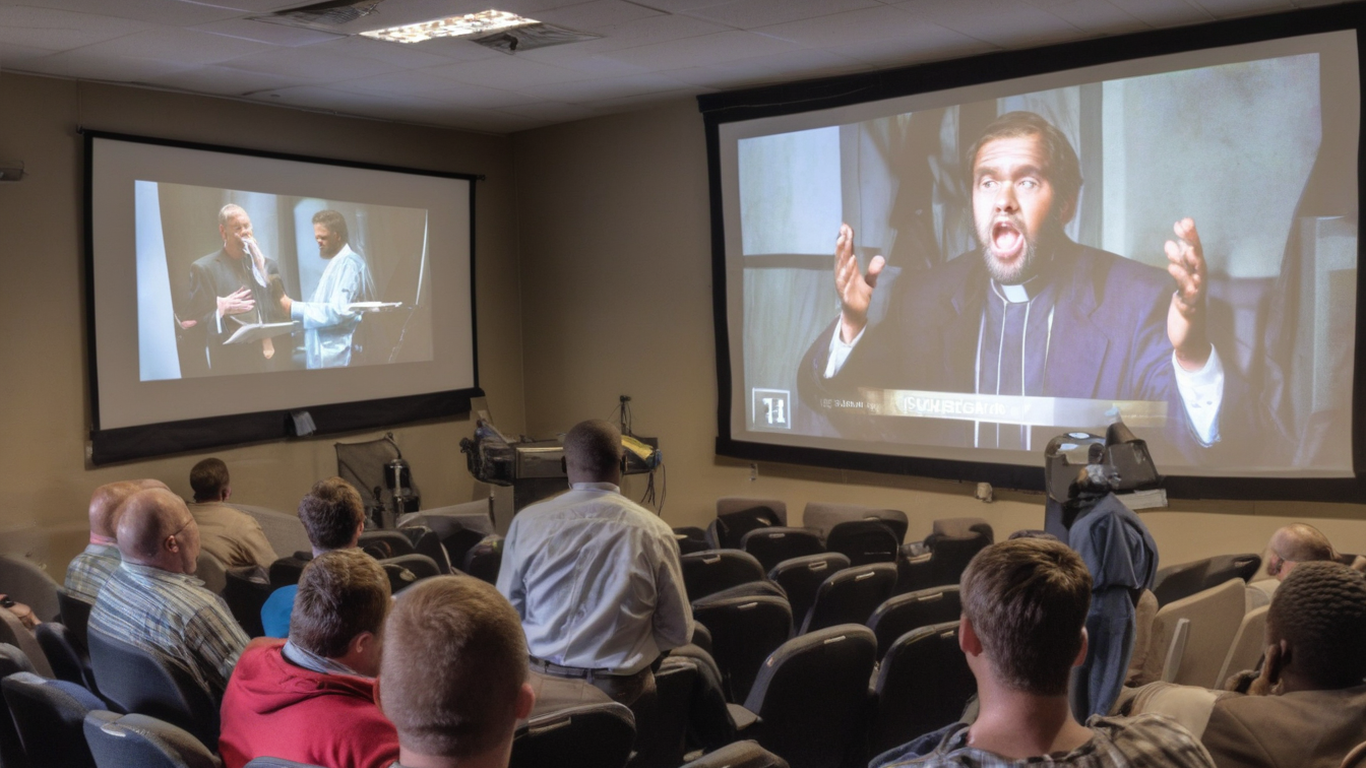
Training church members in evangelistic conversations is essential for effective outreach. Equipping believers with the necessary skills to engage in dialogues about faith fosters confidence and clarity when sharing the Gospel. This training can include addressing common objections through apologetics, ensuring that members are prepared to respond thoughtfully to challenges. Furthermore, incorporating creative methods such as art, music, and storytelling into evangelistic efforts can captivate audiences, especially children, making the message of salvation accessible and engaging for all.


Leave a comment